
Website vs social media: why small businesses need both in 2026
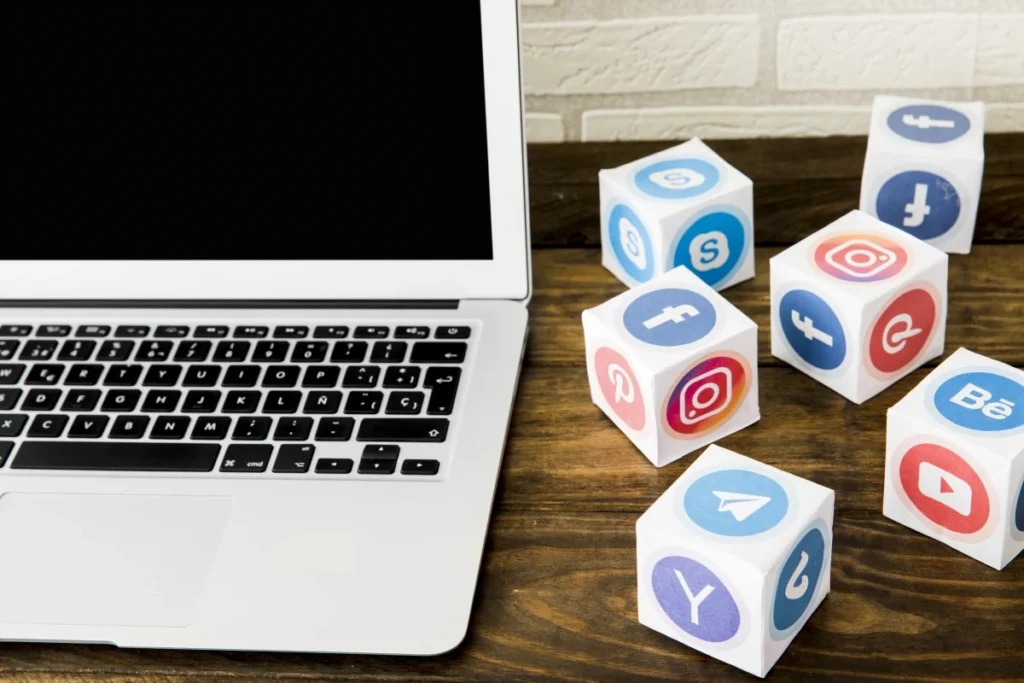
The social media only trap
Many small businesses start with just a Facebook or Instagram page. It makes sense at first because these platforms are free and easy to set up. You can post updates, share photos, and connect with customers quickly. However, relying solely on social media creates serious vulnerabilities for your business.
You do not own your social media presence. Platforms change rules, adjust algorithms, or even suspend accounts without warning. One policy change can make your posts invisible to followers. If your account gets hacked or disabled, you lose your entire customer contact list instantly.
What you lose without a website
Social platforms limit how you present information. You cannot organize services into clear categories or create detailed pricing pages. Potential customers must scroll through posts to find basic details about what you offer. This friction causes many to give up and move to competitors.
Search engines favor websites over social profiles for business queries. When someone searches for services in your area, your Facebook page rarely appears in top results. A properly optimized website captures this high-intent traffic that social media misses entirely.
Professional buyers especially in business-to-business markets expect websites. A LinkedIn profile might introduce your company, but decision-makers want to review detailed service information, case studies, and credentials on a professional site before reaching out.
How social media and websites work together
The most successful small businesses use both channels strategically. Social media builds awareness and engagement. You share quick updates, respond to comments, run promotions, and create community around your brand. These platforms excel at starting conversations.
Your website closes sales. Social posts link to landing pages with complete information and conversion tools. When an Instagram follower sees a product they like, they click through to your website to purchase. When a Facebook video generates interest, viewers visit your site to book a consultation.
This combination lets each channel do what it does best. Social media attracts attention and builds relationships. Your website provides the professional environment where trust turns into transactions.
Ownership and control
A website gives you complete control over user experience. You choose the layout, colors, navigation, and content structure. You decide which information appears first and how visitors move through your sales funnel. This control is impossible on social platforms that force everyone into the same templates.
You own all the data from website visitors. Analytics show which pages people view, how long they stay, where they come from, and what actions they take. This intelligence helps you improve marketing and understand customer behavior. Social platforms share only limited insights and keep the valuable data for themselves.
Email addresses collected through your website belong to you permanently. You can contact these leads anytime through newsletters and promotions. Social media followers can disappear if algorithms change or if you stop paying for visibility.
Building long term value
A website becomes a business asset that grows in value over time. As you add content, build backlinks, and improve search rankings, your site generates increasing organic traffic. This compounds year after year without proportional increases in cost.
Social media requires constant feeding. If you stop posting regularly, your visibility drops immediately. The effort you put in yesterday does not carry forward. A website retains value even during periods when you cannot actively update it.
Websites also support multiple marketing channels. Email campaigns link to landing pages. Paid ads direct traffic to optimized conversion pages. Print materials include your web address. Your website serves as the hub that all other marketing activities point toward.
The integration strategy
Start by building a solid website foundation with clear service pages, contact information, and conversion tools. Then use social media to drive traffic to specific pages. Share blog posts, promote special offers, and highlight new services with links back to your site.
Use social proof from both channels. Display social media follower counts on your website to show popularity. Share website testimonials on social platforms to build credibility. Encourage satisfied customers to leave reviews on both your Google Business Profile and your website.
Track which social posts generate the most website traffic. Double down on content types and topics that drive qualified visitors. This data-driven approach maximizes the return from both channels working together.
Sources: